
M.C. Escher & The Natural World

This comprehensive collection includes more than 150 original works of the Dutch artist covering his entire artistic career.
The ideas that are basic to [my work] often bear witness to my amazement and wonder at the laws of nature which operate in the world around us.
M.C. Escher

This comprehensive collection includes more than 150 original works of the Dutch artist covering his entire artistic career.

Through this unique curatorial approach, natural history museums are invited to exhibit their specimens in a dialogue with Escher’s works, showing how this wonderful world was seen through his eyes.

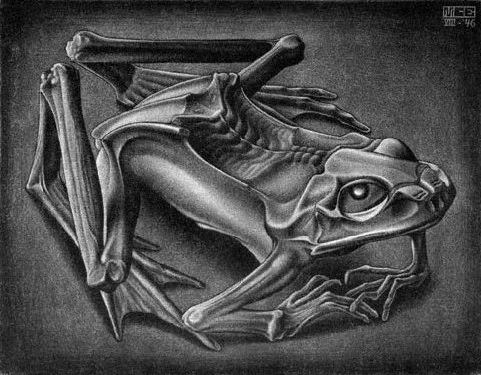
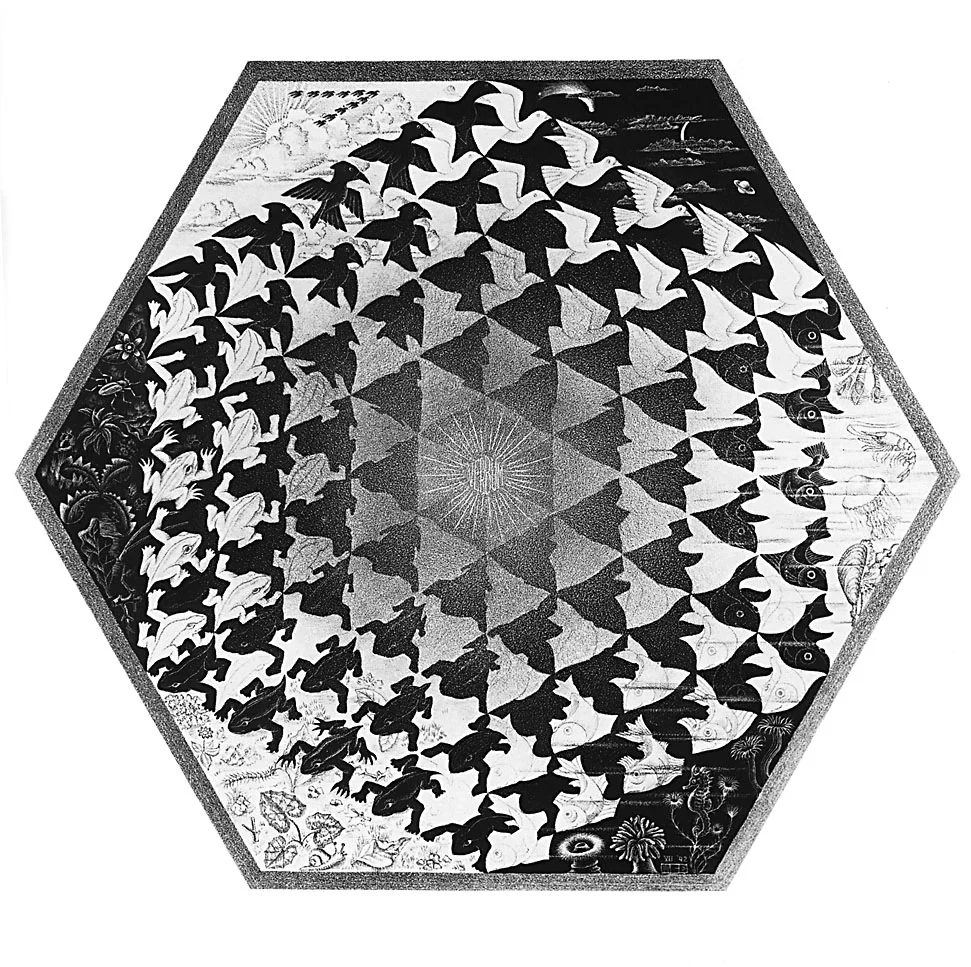
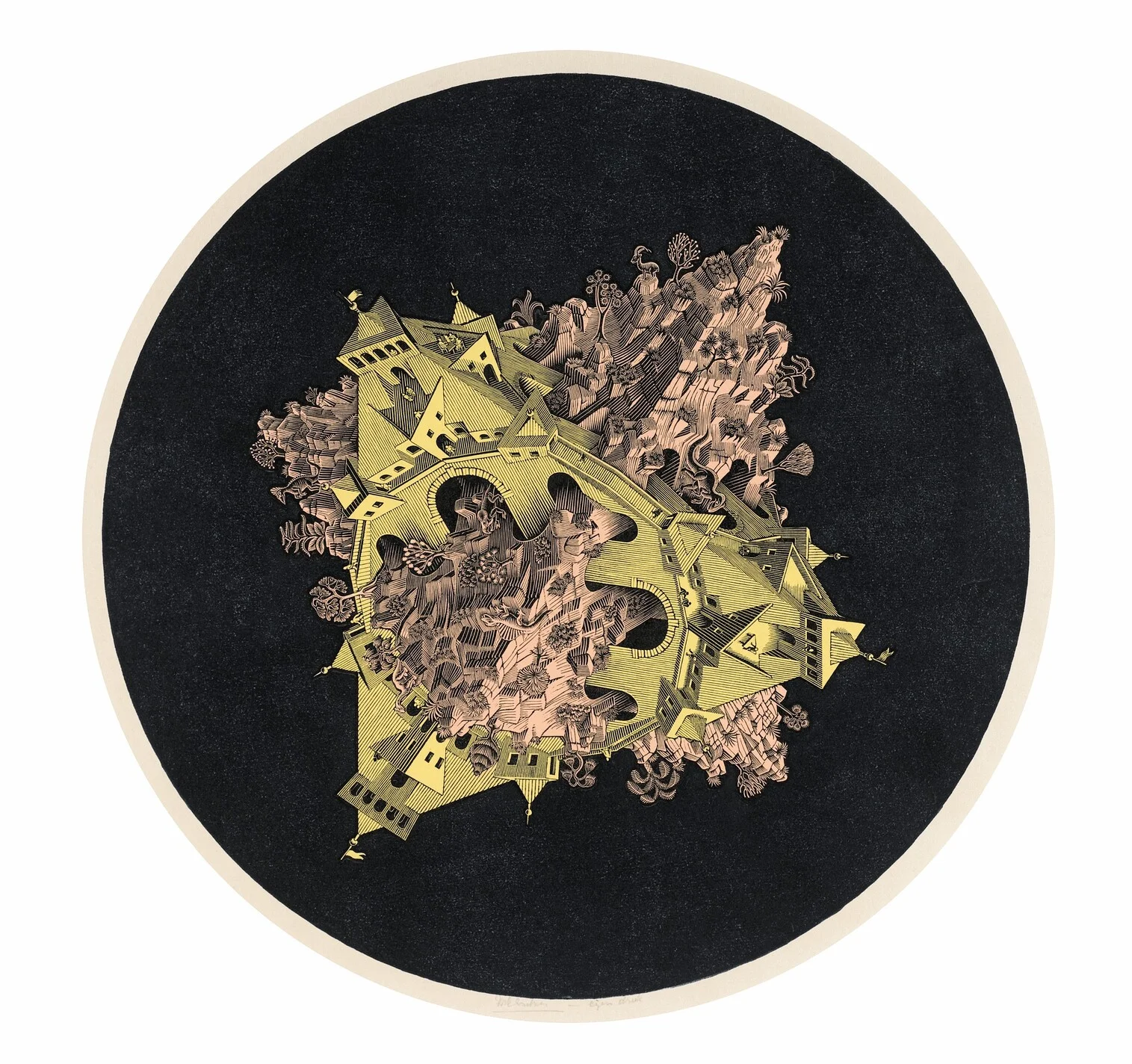
M.C. Escher’s relationship with the natural world evolved noticeably throughout his life, shifting from early, realistic depictions of landscapes to the abstract, mathematically driven works for which he is now known. What began as direct observation—most strongly inspired by the Italian countryside—gradually developed into a visual language where natural and geometric forms merged. Animals, plants, and other organic elements became essential components of his tessellations, his shifting perspectives, and his explorations of metamorphosis.

Escher drew significant inspiration from nature, approaching it with a sense of awe and meticulous curiosity. In his early years, he immersed himself in sketching landscapes and natural forms, carefully studying insects and flowers and noticing details others tended to overlook. These early observations formed the foundation of his later artistic thinking.

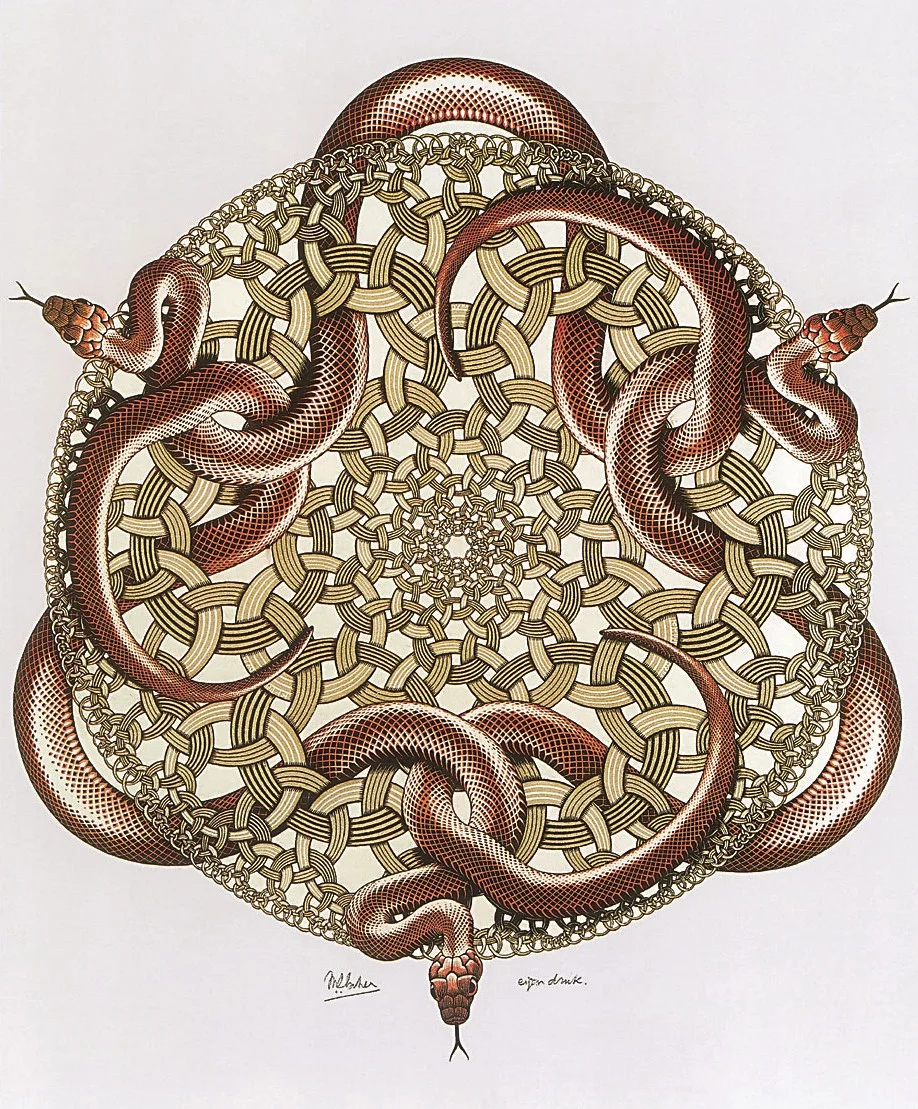
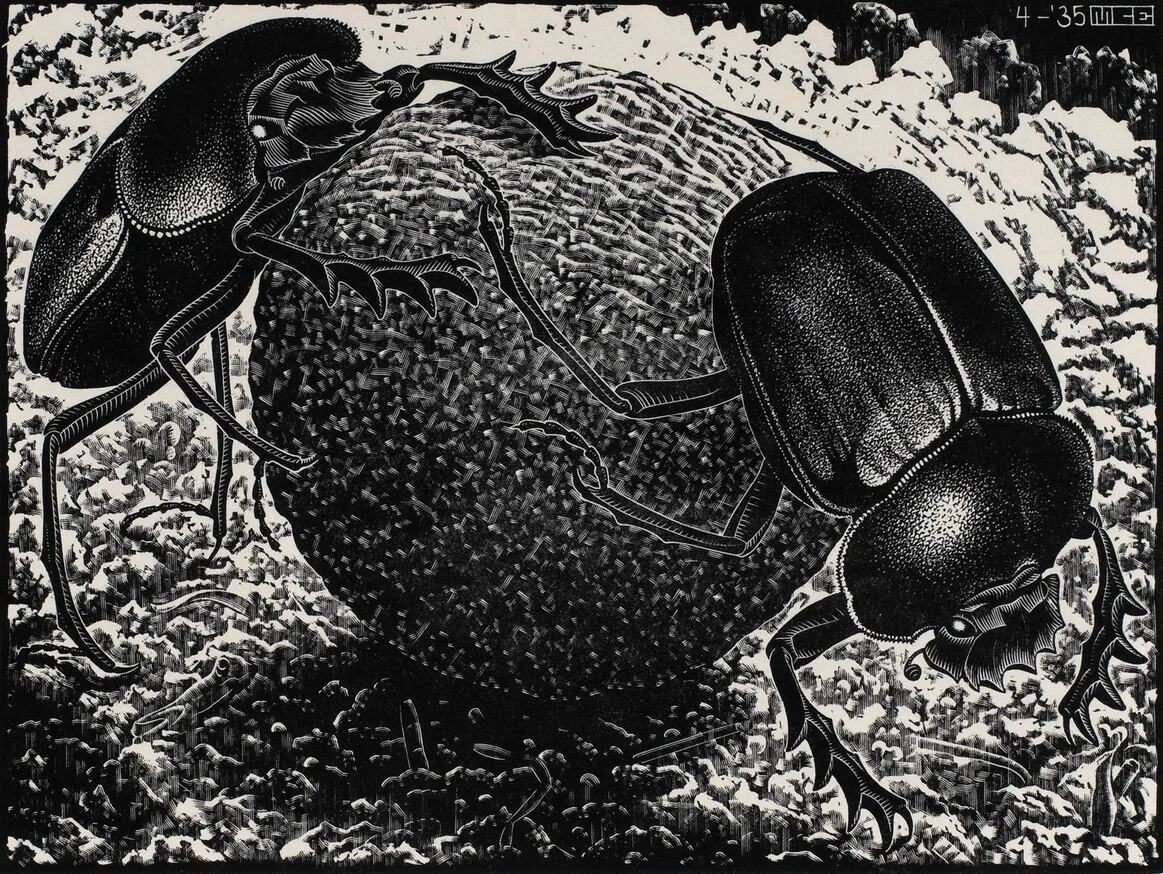
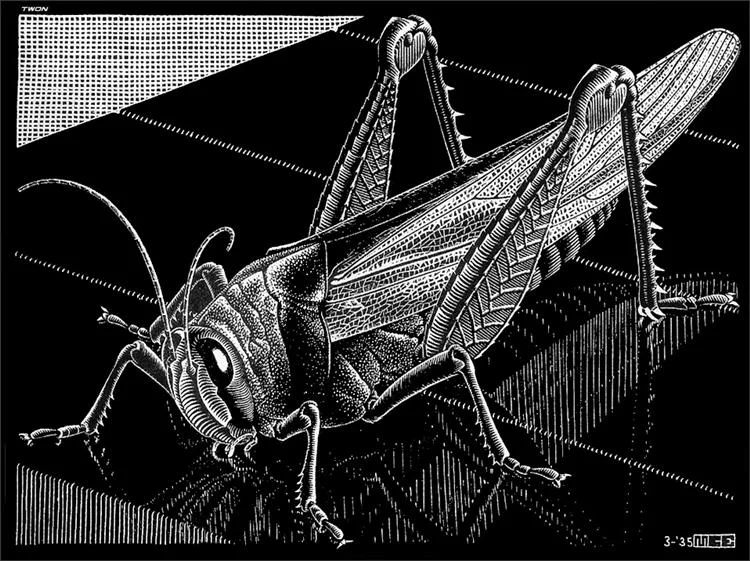
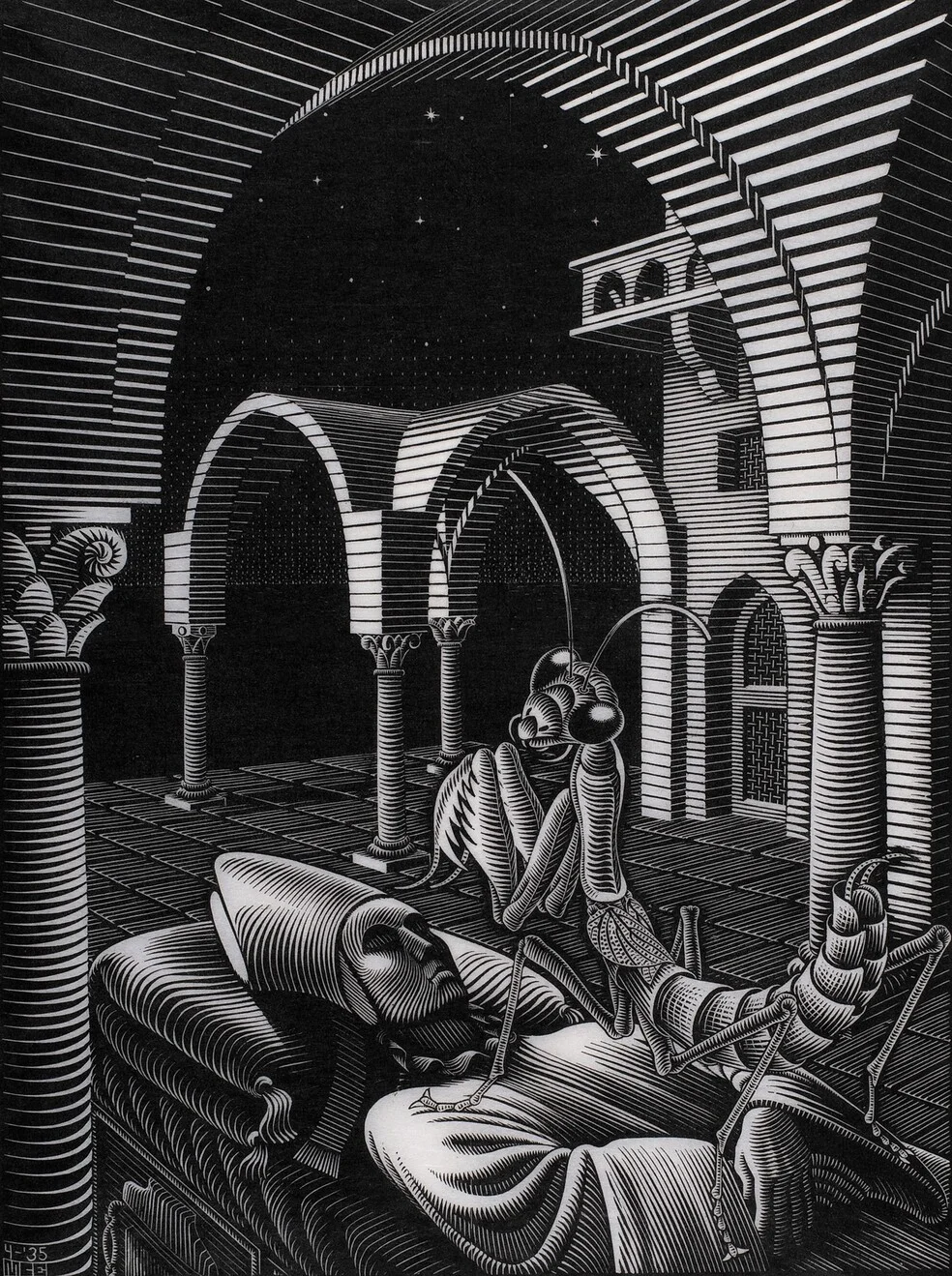
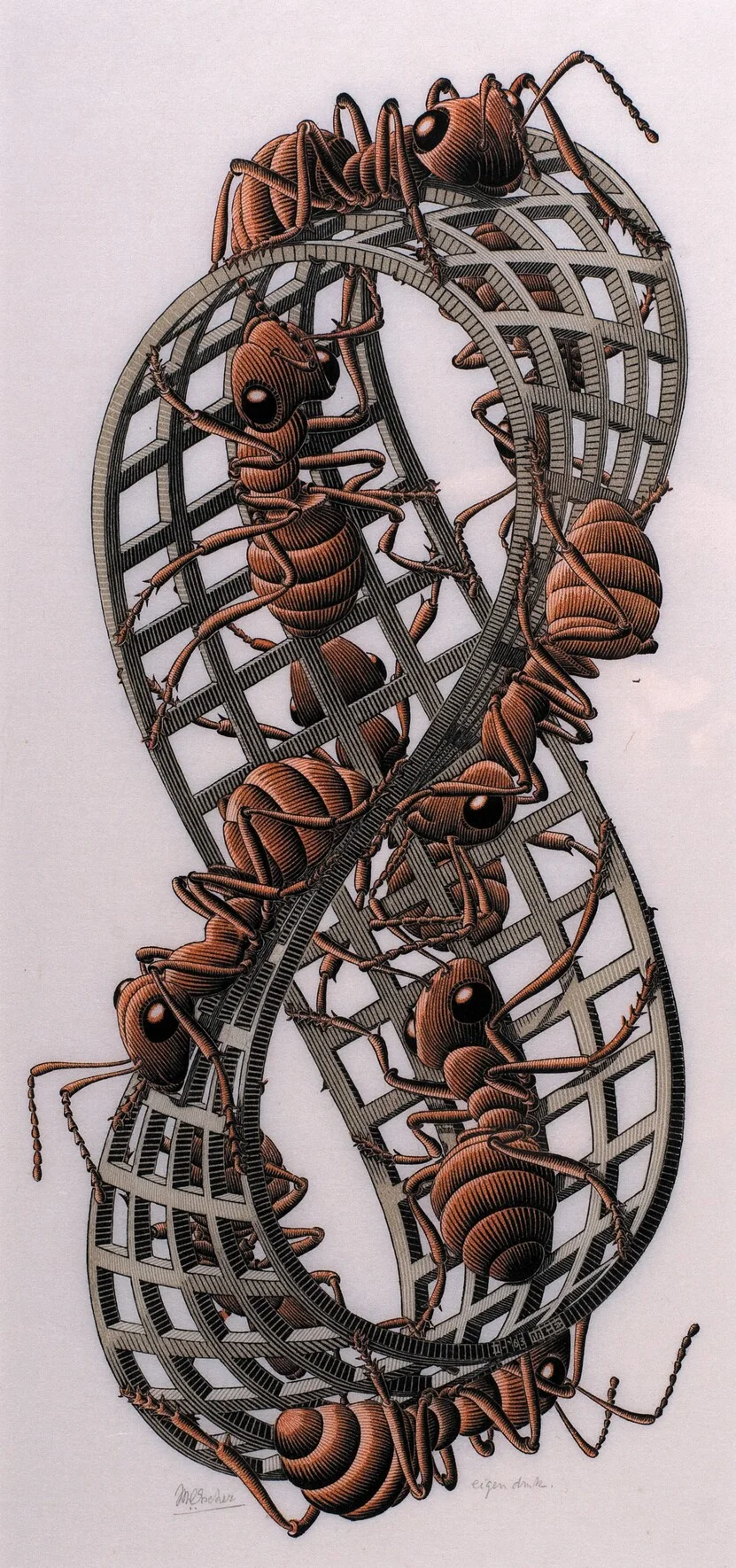
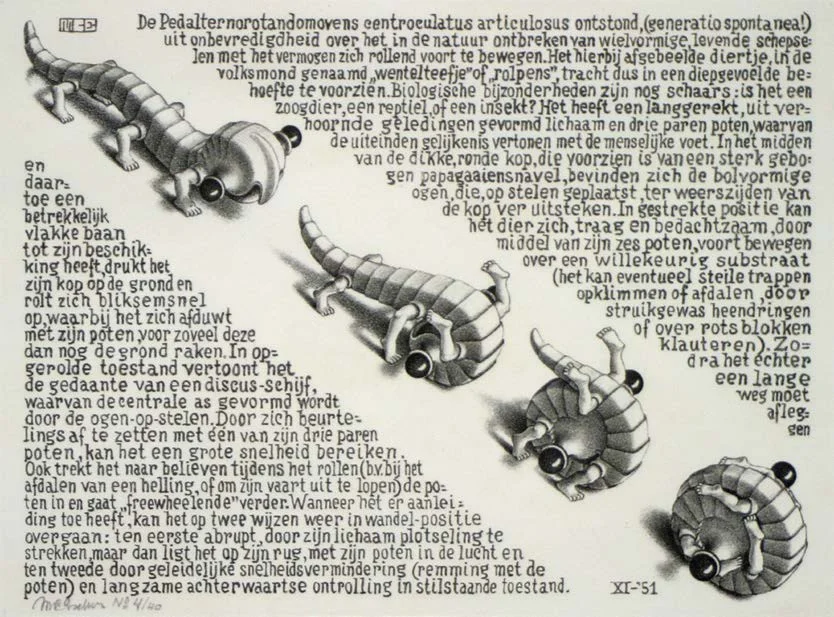
His connection to the natural world first became clear through his detailed studies. Many of the insects he examined with such precision—ants, bees, mantises—later reappeared in his more complex prints. The intensity of these detailed studies reveals how deeply natural observation influenced the evolution of his imagination.

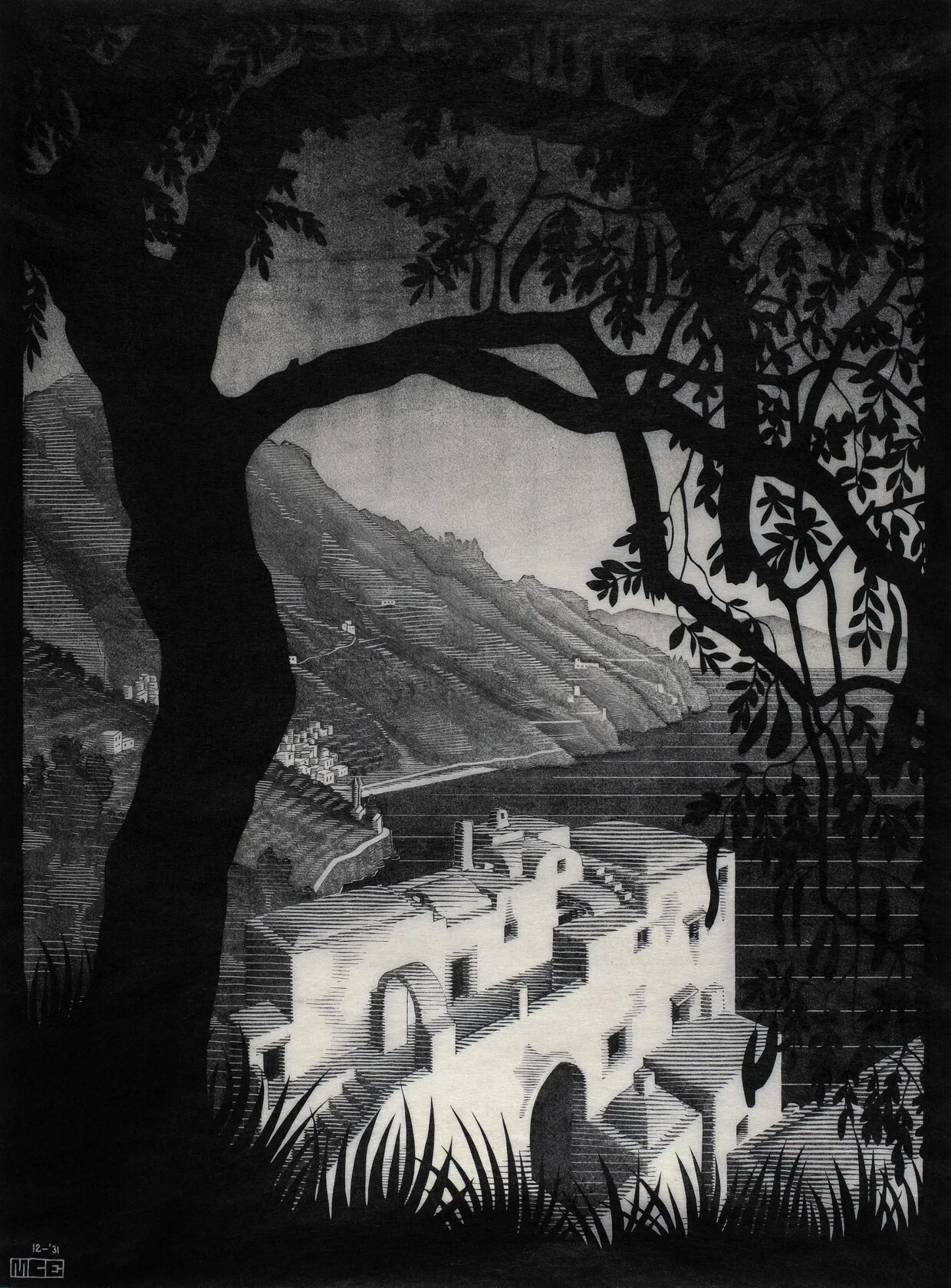
This influence grew even stronger during his travels, especially through his encounters with Italian landscapes. His experiences in Italy shaped much of his early work. Rather than producing literal or photographic reproductions, Escher pieced together motifs from different locations to capture the essence of a place. These early interpretations of Italian landscapes foreshadowed the spatial reorganizations that later defined his mature style.

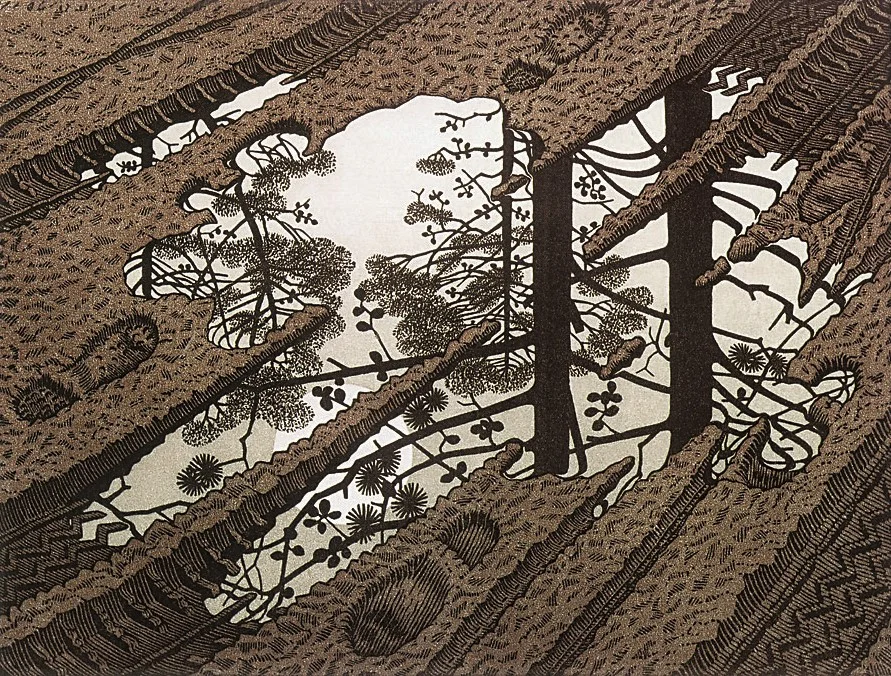
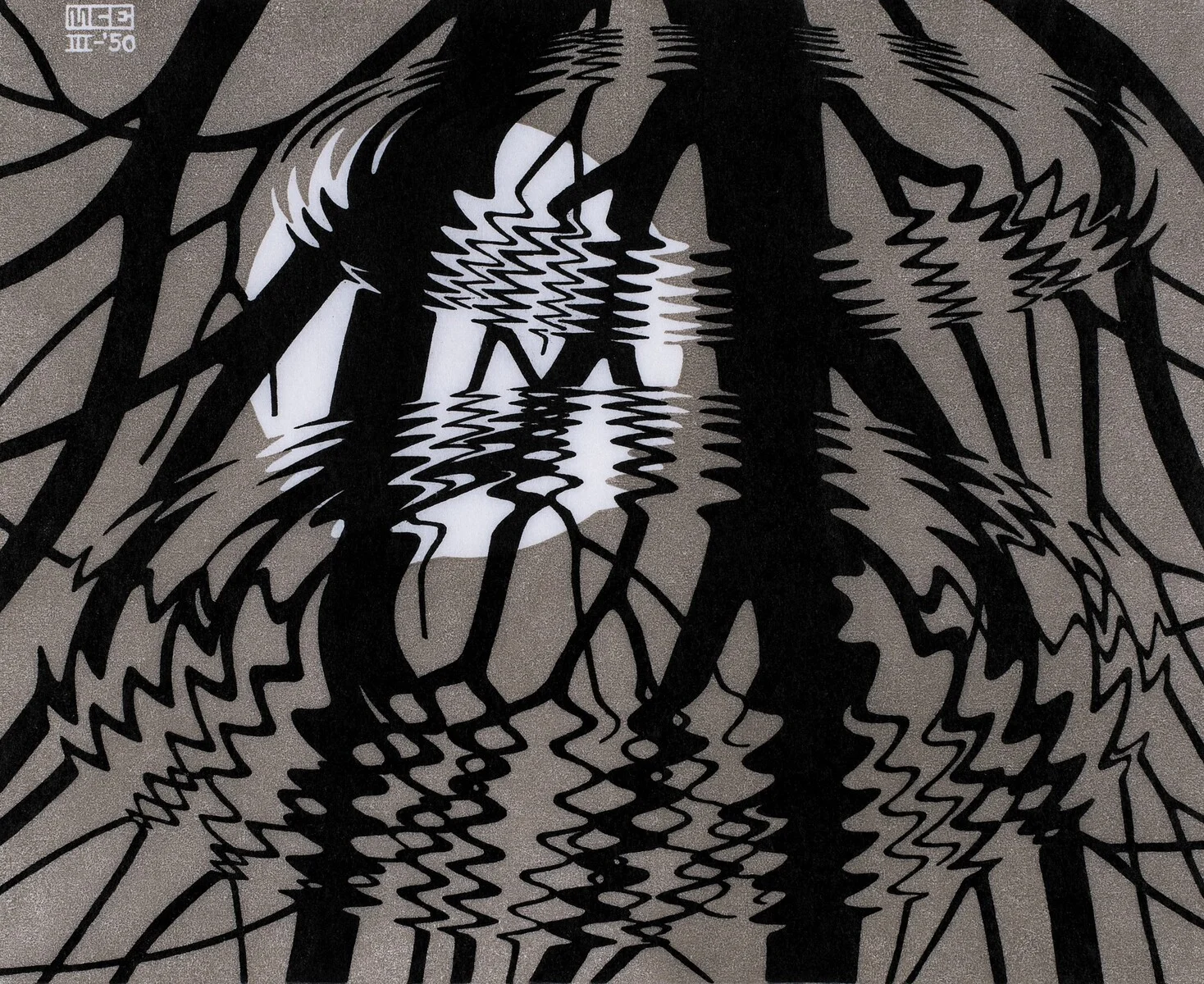
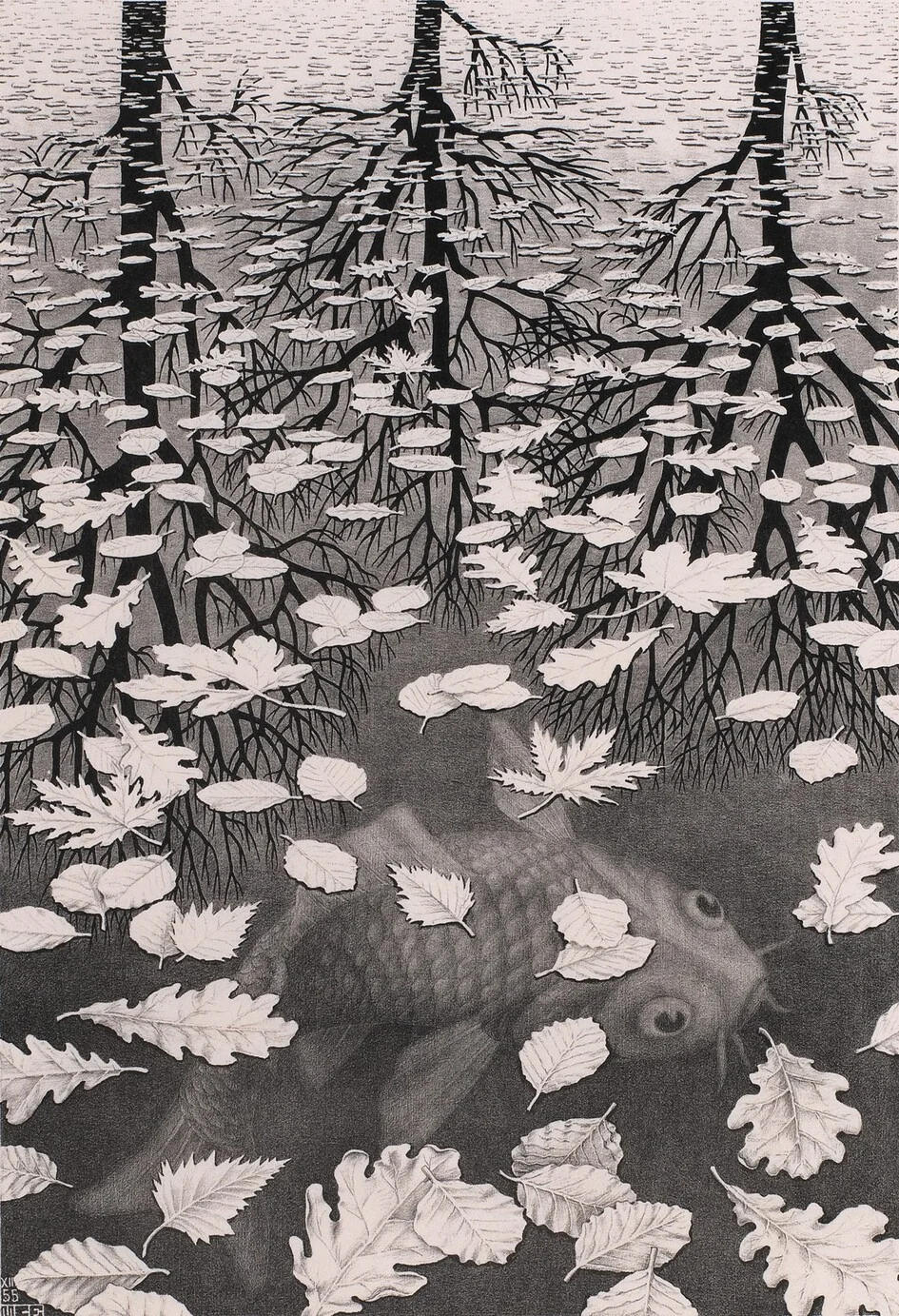
Nature also guided his thinking through his ongoing fascination with reflections. He was drawn to the layered worlds revealed in water, muddy puddles, and curved surfaces. His print Three Worlds (1955) exemplifies this interest, merging the fish beneath the surface, the leaves floating on top, and the reflected trees above. These reflections allowed Escher to unify multiple visual realities in a single composition.

We live in a world of one-hit wonders. It’s easy to see this in music, but the same phenomenon exists in art: an artist becomes known for a single idea and is often expected to repeat it endlessly. Some try to escape the confinement, others accept it. But very few artists create multiple iconic images that remain in our collective memory for decades. Escher is one of those rare exceptions. It can even be argued that he produced some of his finest work late in life, without the tragic narrative that often enhances artistic reputation.

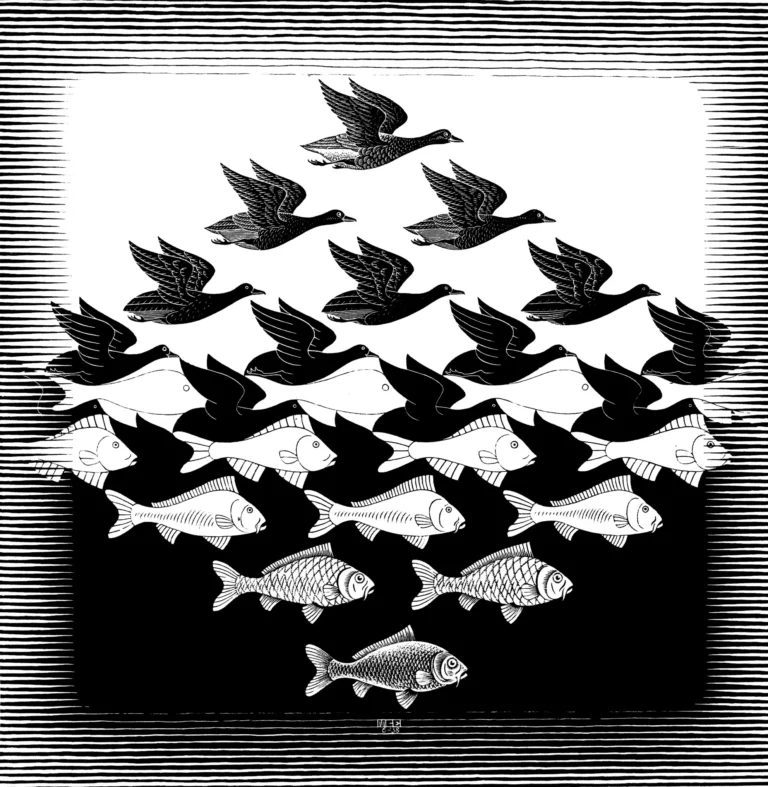
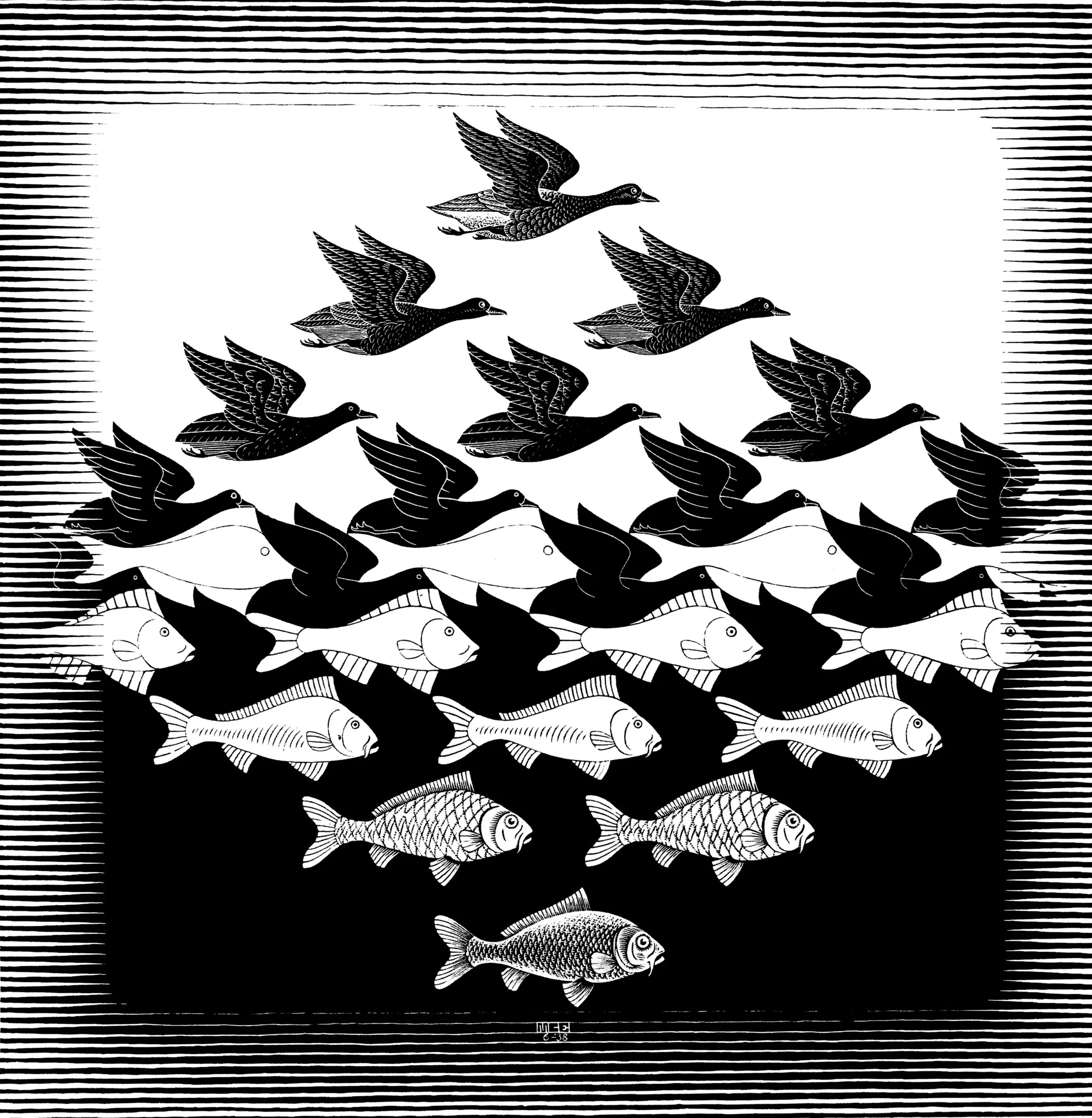
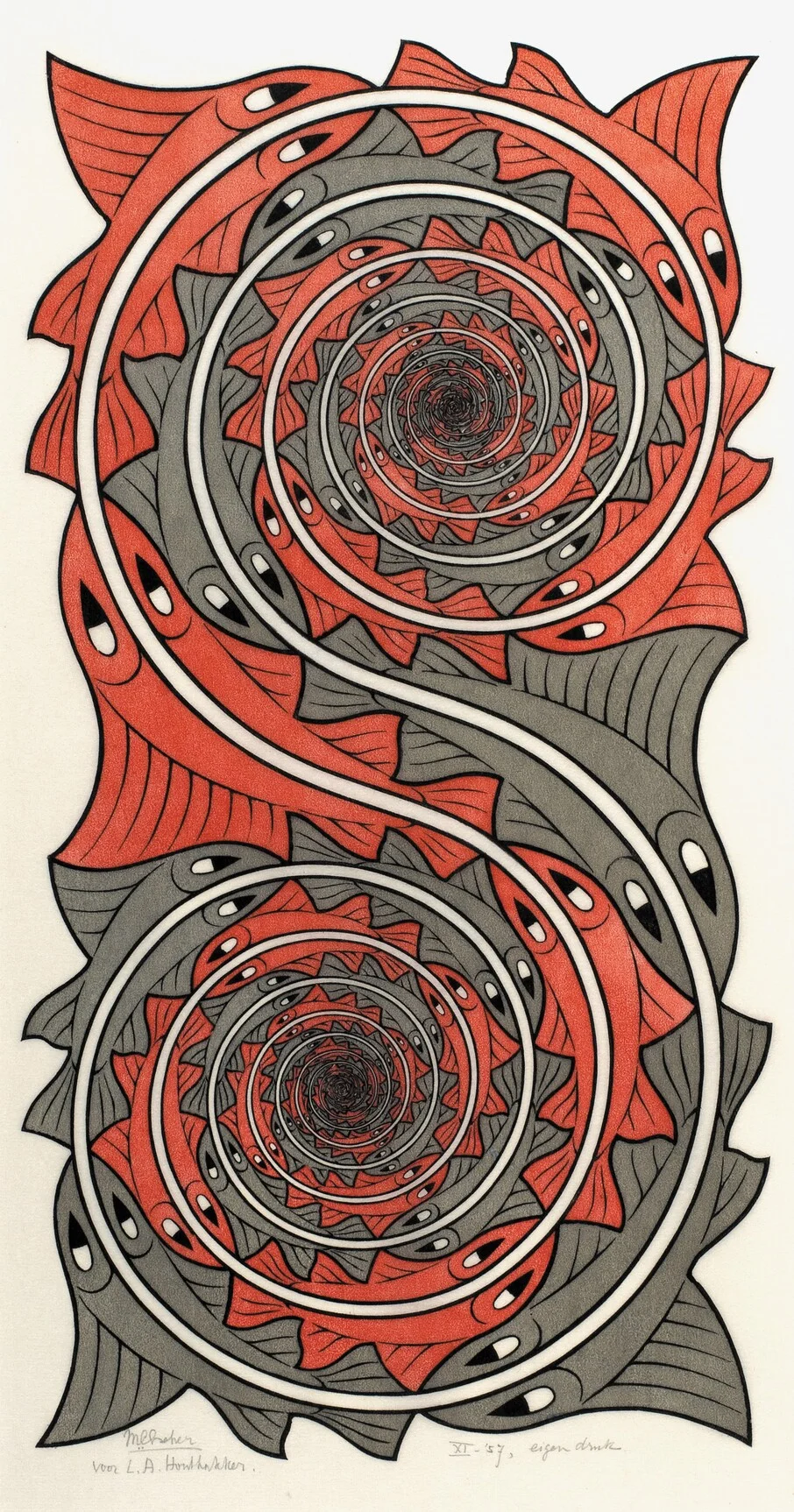
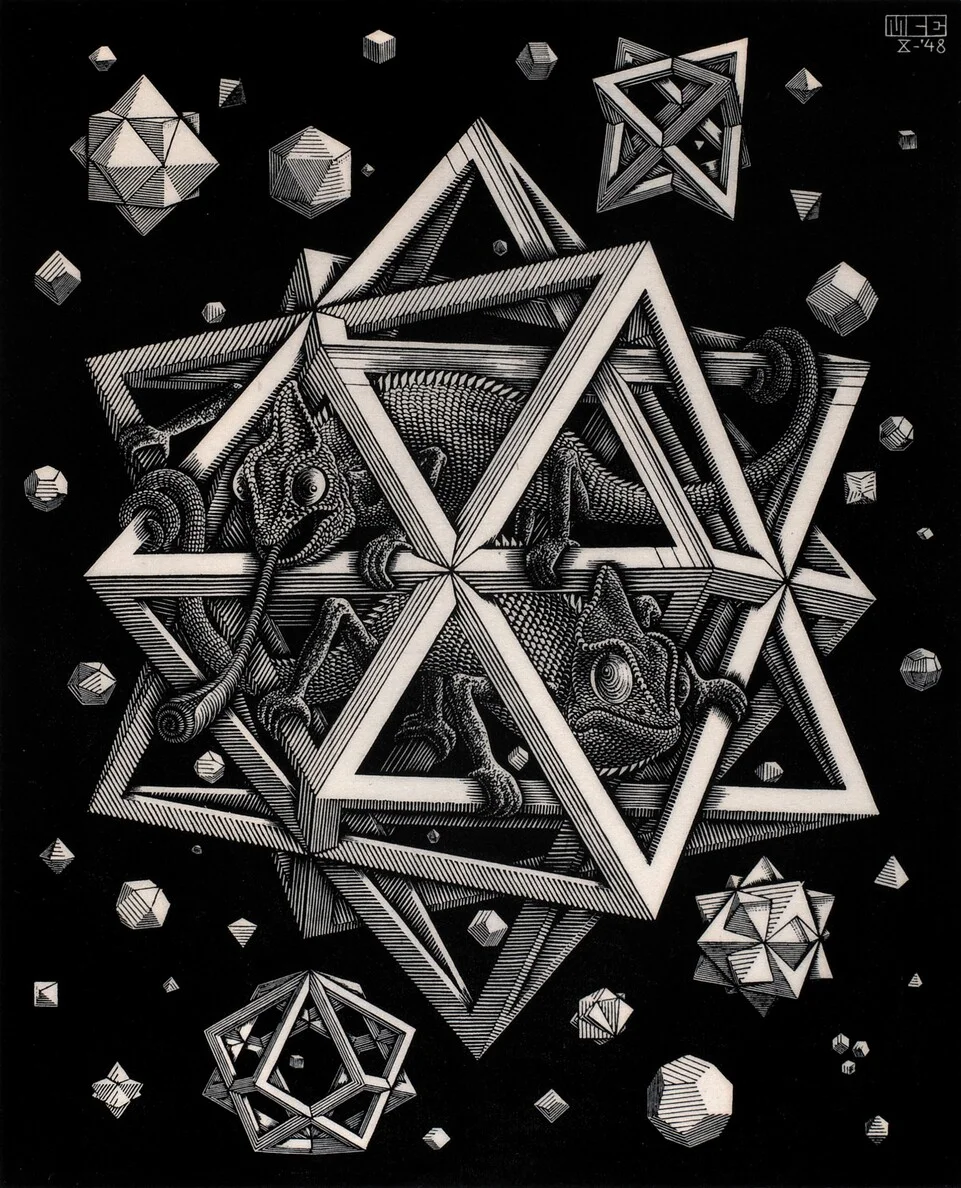
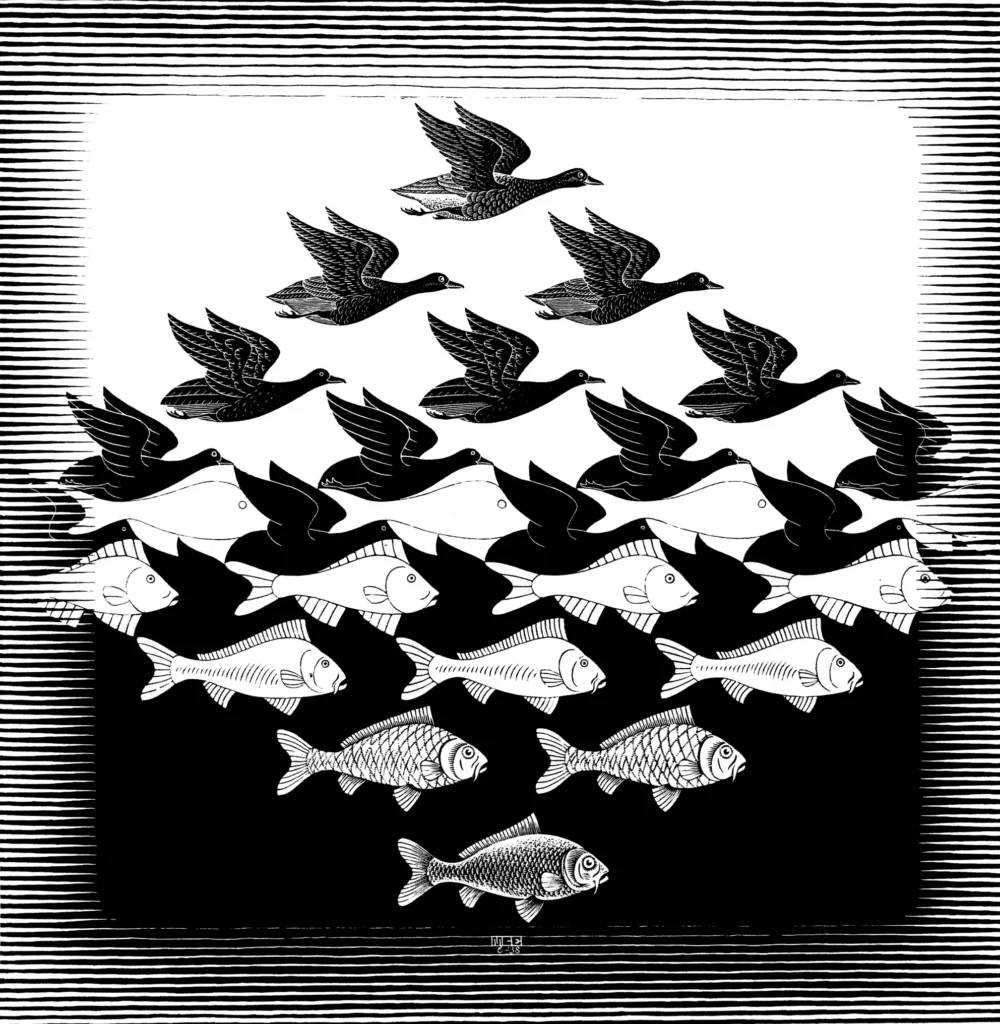
Escher never appeared concerned with the idea of being a one-hit wonder. Instead, he remained dedicated to pushing his imagination a step further with every new work. His lifelong fascination with science—particularly geometry—blended naturally with his deep curiosity about the natural world. He followed mathematical ideas, studied spirals, and explored the patterns that emerge from scientific representation. At the same time, he was captivated by birds, insects, and broader ecological systems. He read widely; Rachel Carson’s The Sea Around Us was one of his favorite books. Works like Sky and Water reveal his early understanding of the interconnectedness of nature, a concept far ahead of its time in 1938.

The works in this collection, centered on natural history, science, and zoology, are arranged chronologically and invite scientific discussion. Together, they show how Escher’s relationship with nature shaped not only his themes but also the structure of his artistic vision—from early observation to the mathematically inspired, transformative language that became uniquely his own.

Exhibits

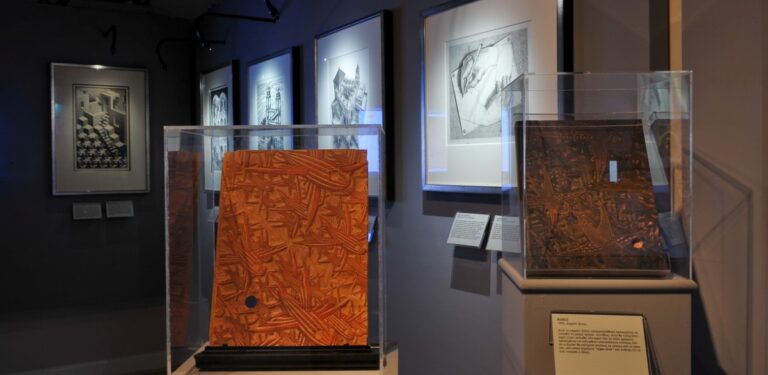
Over 150 original works by M.C.Escher, including drawings, woodblocks, and a lithographic stone.

Highlights

This is the first time that museums will have the opportunity to present this unique connection between Escher and the Natural World. The exhibition also includes many of Escher’s iconic works, which have fascinated museum visitors around the world.

Exhibition Materials

Captions, wall texts.

Display

Requires about 575 to 625 linear ft. (depending on installation)

Characteristics

  • Geographic location of storage: U.S.A.
  • All works are shipped framed as per international museum standards.
  • Collection includes the necessary international shipping crates and packing materials, ensuring safe ‘nail to nail” transport.
  • Collection is comprehensive, covering a substantial part of the artist’s body of work, making it capable of serving as a stand-alone exhibition.
  • Museum curators are provided with extensive information and may curate the exhibition to their specifications.
  • Collection may be expanded or complemented with art from the borrowing museum’s own collections.
  • Collection provides endless opportunities for the development of educational programs, which we can assist with.

Notes

  • PANART is fully supported by the Escher Foundation to do museum exhibitions.
  • M.C. Escher images are copyright of the M.C. Escher Co.
  • Available for North America

M.C. Escher

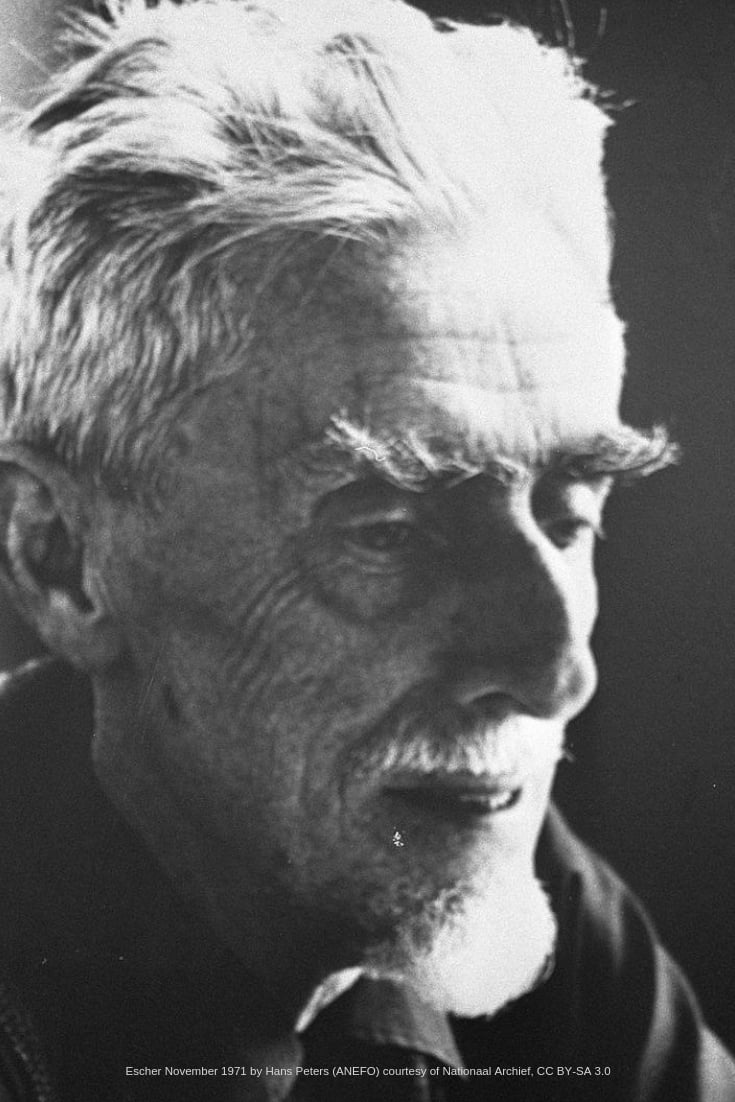
M.C. Escher, in full Maurits Cornelis Escher, (born June 17, 1898, Leeuwarden, Netherlands—died March 27, 1972, Laren), Dutch graphic artist known for his detailed realistic prints that achieve bizarre optical and conceptual effects.

Maurits Cornelis Escher was the youngest of five boys and was raised by his father, George Escher, a civil engineer, and his father’s second wife, Sarah Gleichman. Maurits was a sickly and creative child drawn to music and carpentry, and, although he was influenced by his father’s engineering, he did not excel at mathematics. In fact, he failed several of his final exams and never technically completed his high-school education.

From 1919 to 1922 Escher studied at the School for Architecture and Decorative Arts in Haarlem, Netherlands, where he developed an interest in graphics and worked mainly in woodcut under the direction of his teacher Samuel Jessurun de Mesquita. He spent a number of years traveling and sketching throughout Europe, living in Italy from 1922 to 1935 and then moving to Switzerland and Belgium. In his prints and drawings from this period, Escher depicted landscapes and natural forms in a fantastic fashion by using multiple, conflicting perspectives.

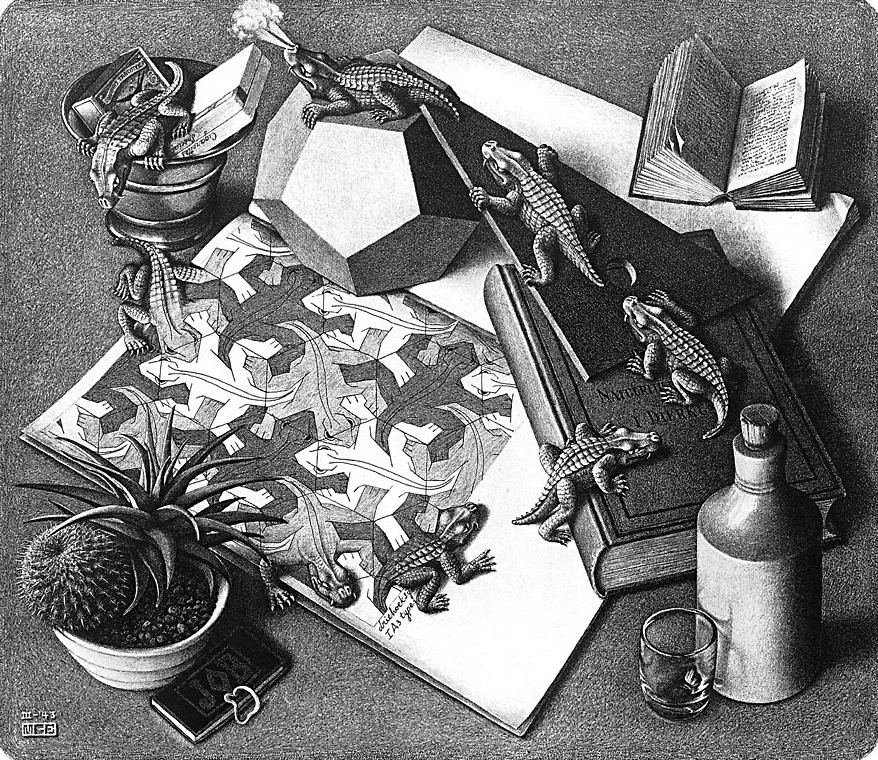
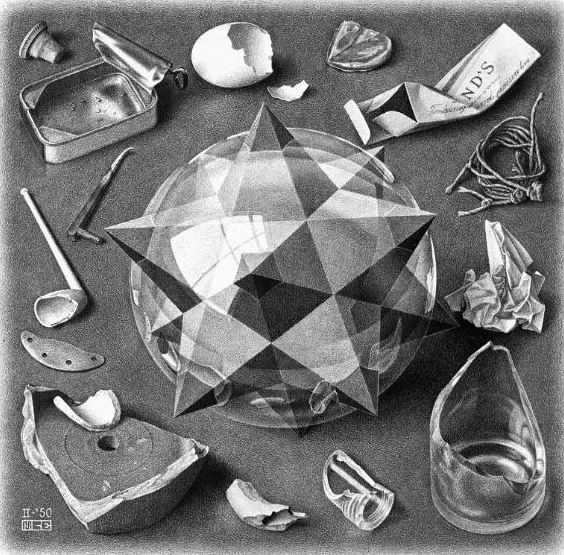
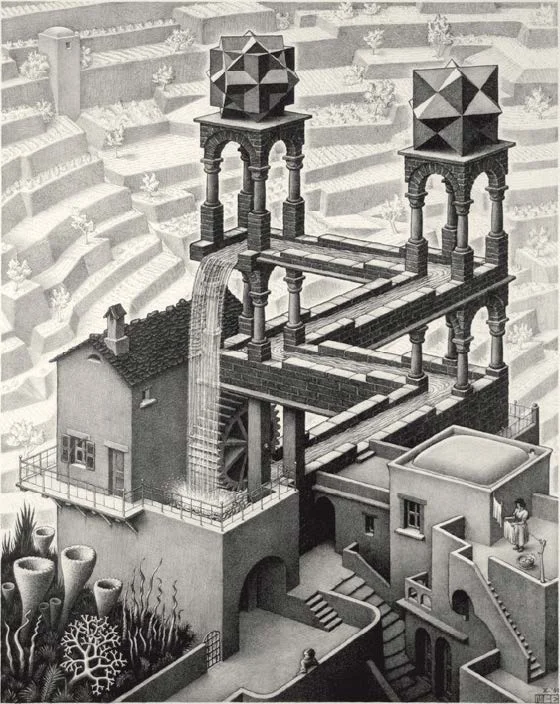
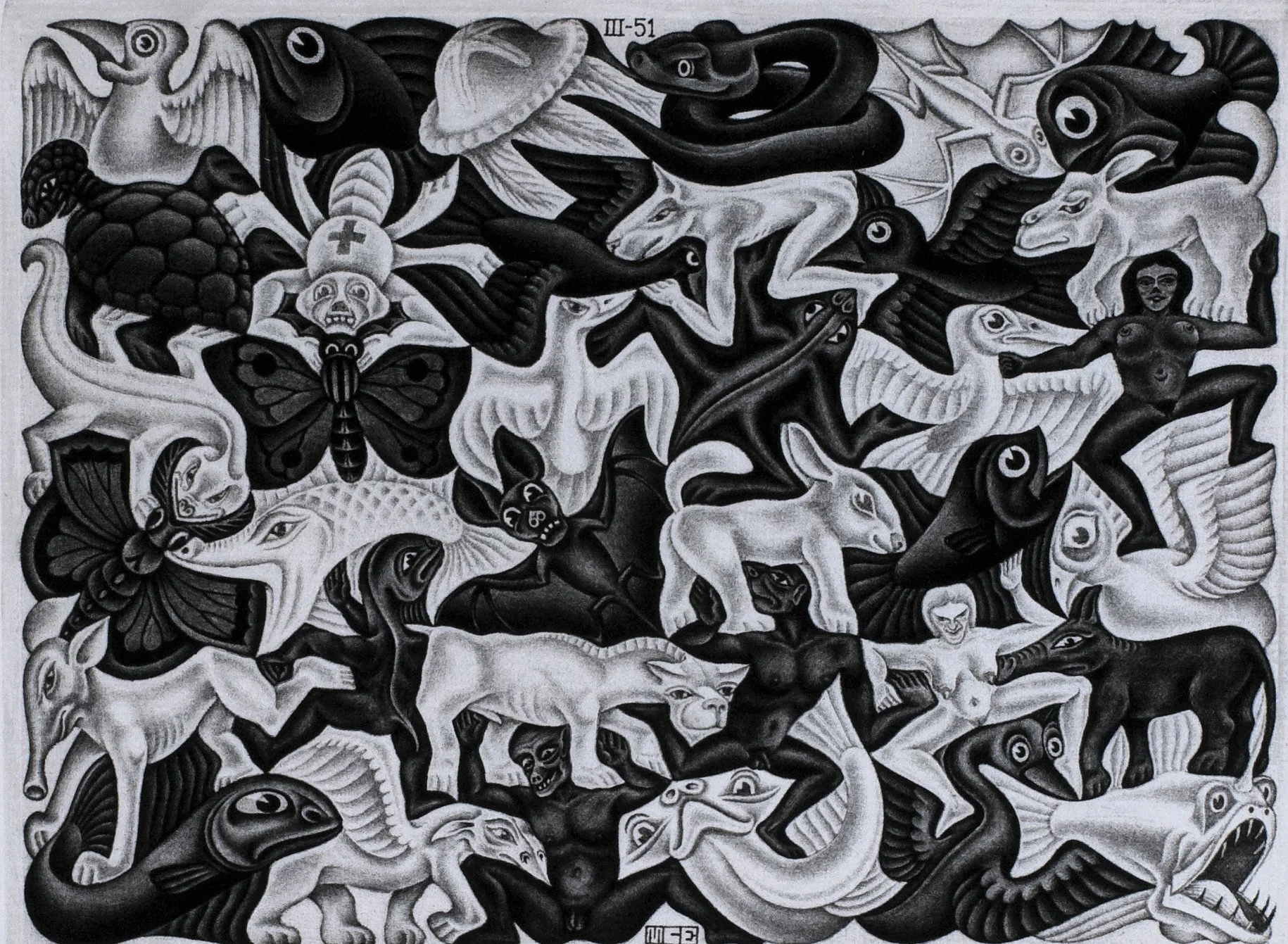
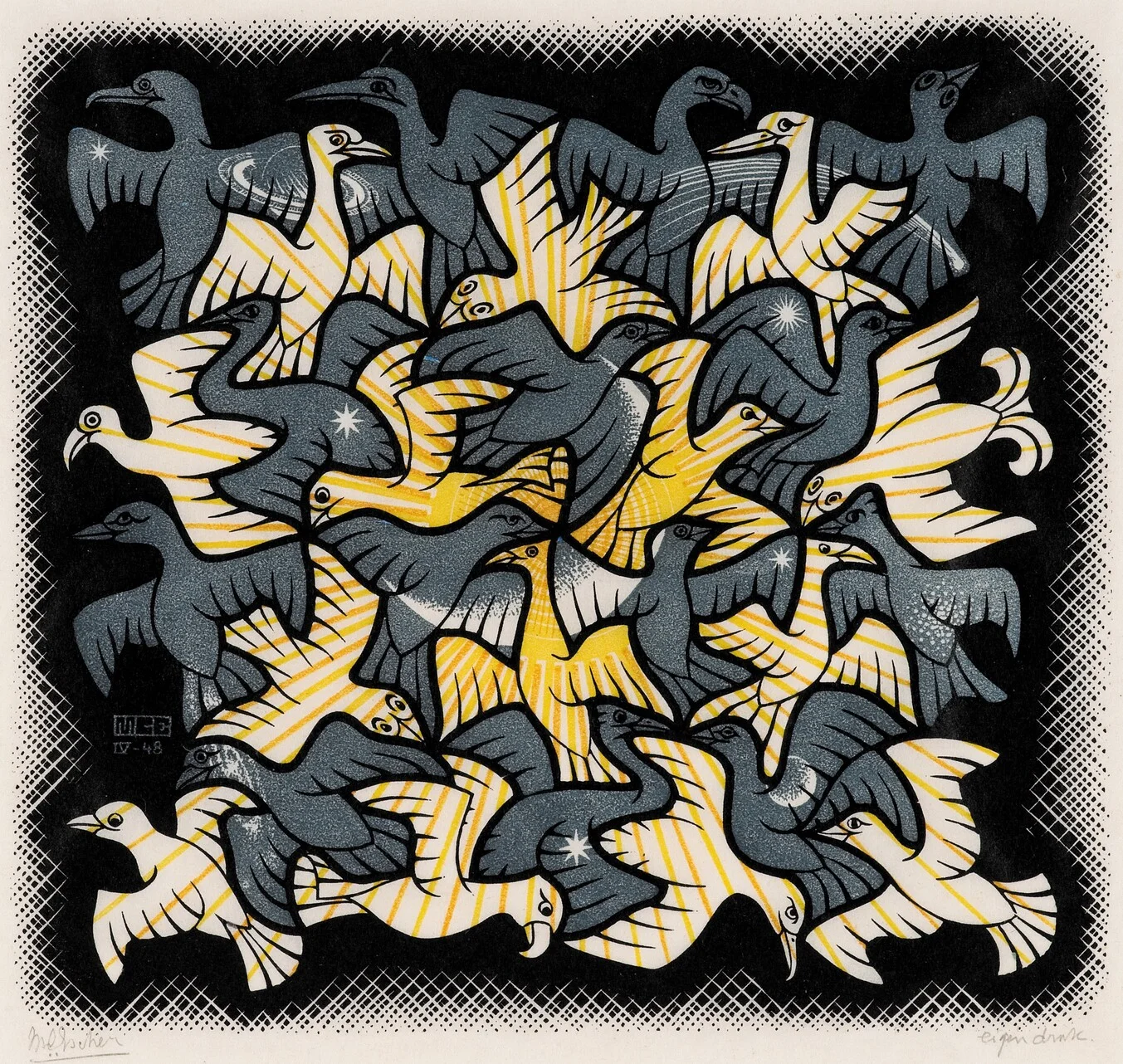
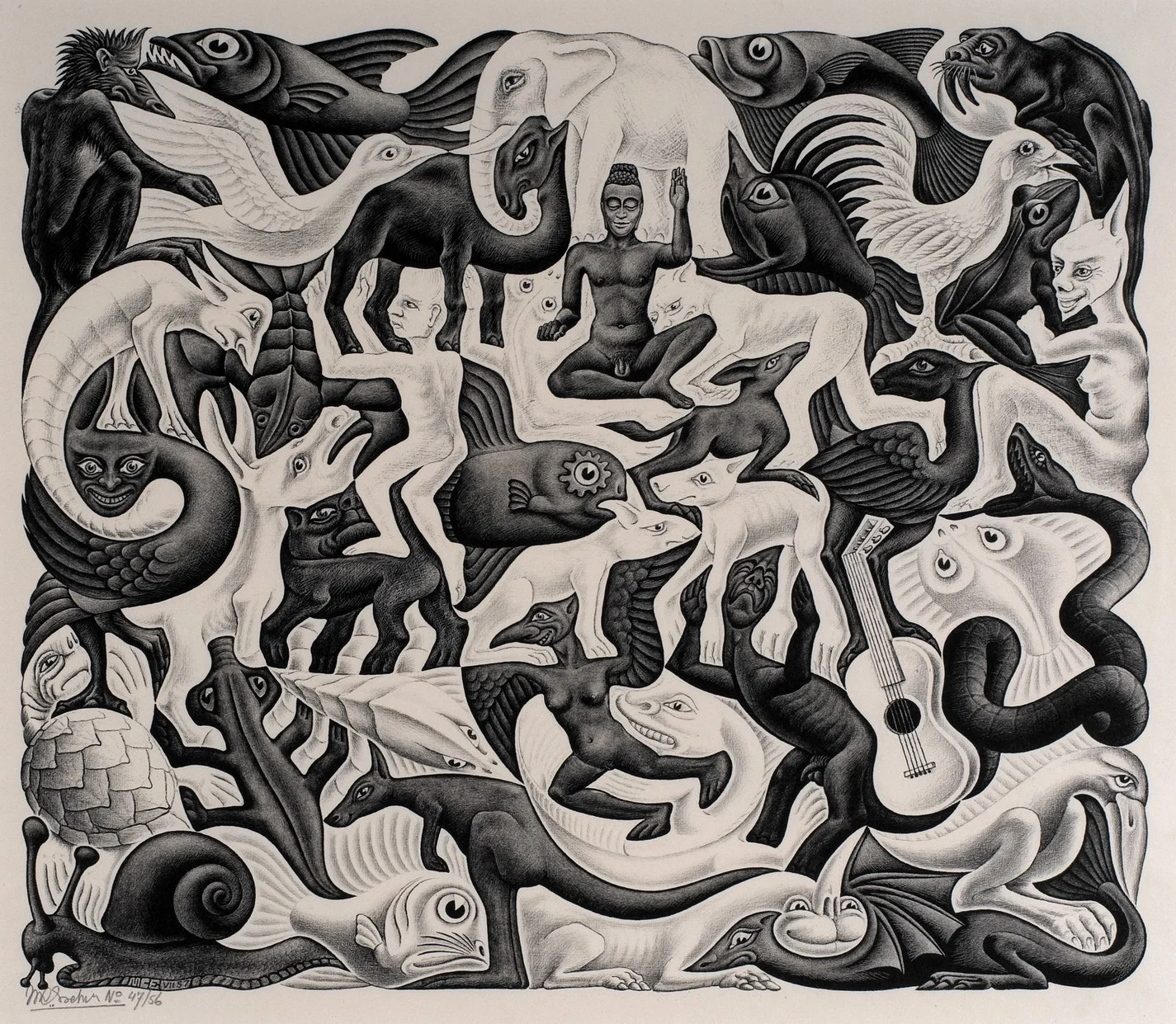
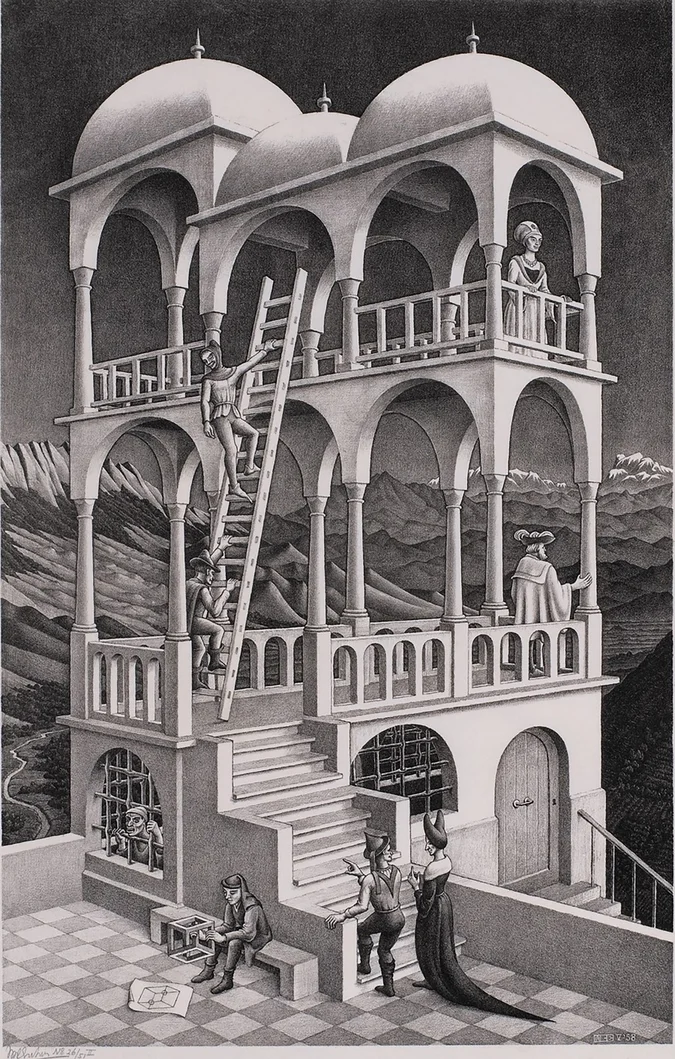
Escher’s mature style emerged after 1937 in a series of prints that combined meticulous realism with enigmatic optical illusions. Working in lithograph, wood engraving, and woodcut, he portrayed with great technical virtuosity impossible architectural spaces and unexpected metamorphoses of one object into another. Sometimes referred to as the “father of modern tessellations,” Escher commonly used geometric grids to form intricate interlocking designs. His series Regular Division of the Plane (begun in 1936) is a collection of his tessellated drawings, many of which feature animals. He also explored mezzotint, a demanding and precise technique involving metal engraving, with which he produced some of his famous works in black and white, including Eye (1946), Gallery (1946), Crystal (1947), and Dewdrop (1948). In all, Escher composed some 450 lithographs, woodcuts, and wood engravings and about 2,000 drawings and sketches in his lifetime. His images were of equal interest to mathematicians, cognitive psychologists, and the general public, and they were widely reproduced throughout the 20th century.

Read More Read Less
Related Exhibitions